


Powered Anode Rod
Powered Anode Rod
One part. One swap.
Couldn't load pickup availability
- Visa payment method
- Master payment method
- American express payment method
- Apple pay payment method
- Google pay payment method

Powered Anode Rod


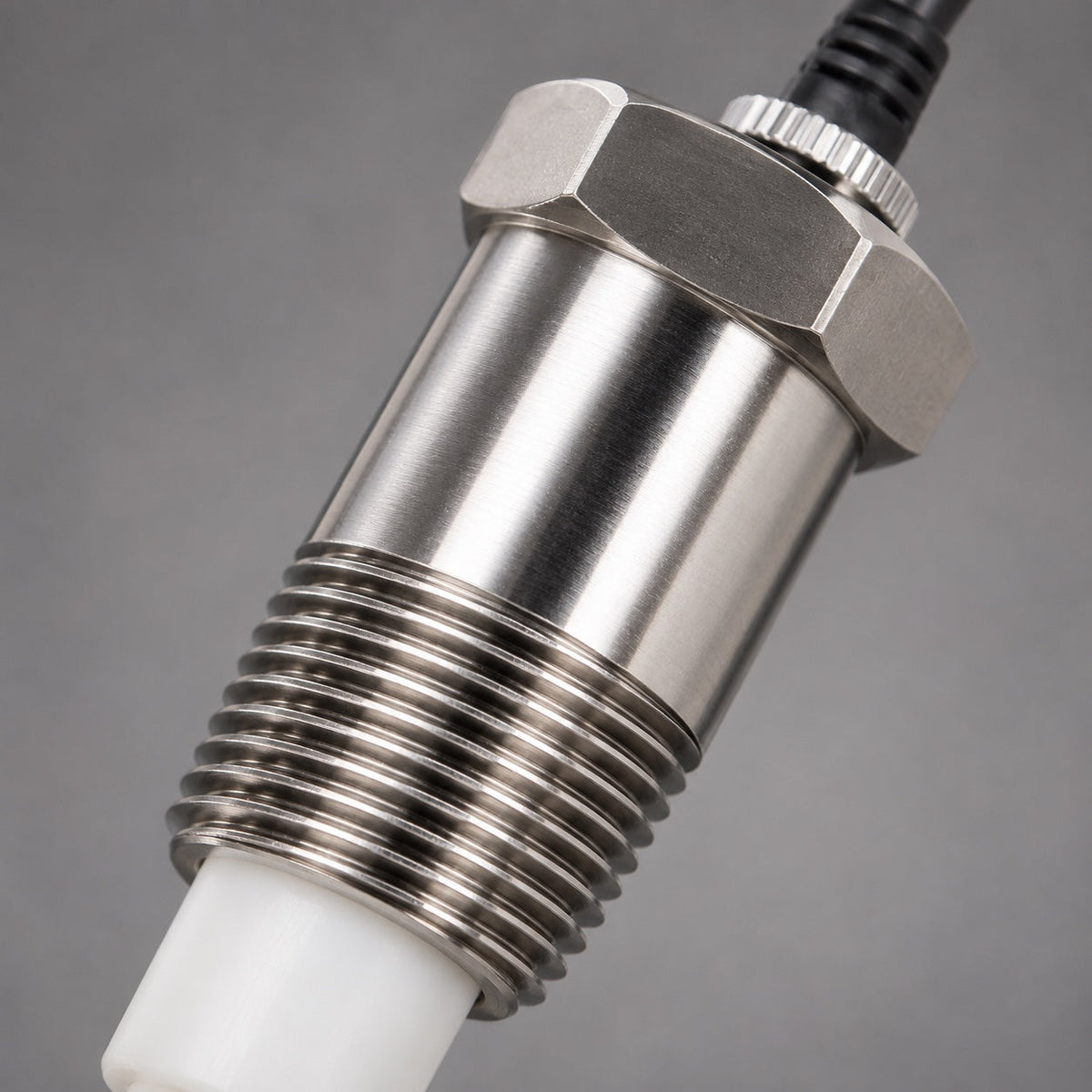
Product details
- Titanium anode rod with a stainless steel 3/4" NPT threaded head
- HDPE insulating sleeve between the head and the rod
- About 9.4" long overall
- Plug-in power adapter with indicator light, standard US 120V outlet
- For tank water heaters from 10 to 69 gallons, gas or electric
- No sacrificial metal to dissolve in the tank
Actual product packaging may vary.
Why does my hot water smell like rotten eggs?
Many tank heaters ship with a magnesium anode rod. In well water and some softened water, bacteria in the tank react with that magnesium and make hydrogen sulfide gas. That is the smell. It shows up on the hot side only because it is made inside the heater. Swapping the magnesium rod for a powered titanium one takes away the magnesium that feeds the reaction, and the rod is designed to keep protecting the tank from rust. Some heaters have a second anode built into the hot water outlet. If yours does and it stays in, the smell can stay too.
Will it fix my smell?
Run this test first. Fill one glass from the cold tap and one from the hot tap. If only the hot water smells, the heater is the source and this is the part that deals with it. If the cold water smells too, the problem is in the well or the supply line, and no anode will fix that. After the swap, flush the tank. Smell that is already in the water can take a while to clear. We would rather lose the sale than have you install it for nothing.
How hard is the install?
Putting the new rod in takes a few minutes. Getting the old one out is the real job. Factory anodes are often very tight. You will need a 1-1/16" socket and a breaker bar or an impact wrench, and enough headroom above the tank to lift the old rod out. On an electric heater switch off the breaker, on a gas heater turn the gas control to OFF. Close the cold water supply and let the water cool so you do not get scalded. Open a hot faucet to relieve the pressure and drain a few gallons before you loosen anything. When the new rod is in, refill the tank and run a hot faucet until the air is out before you turn the power or gas back on, then check the fitting for leaks. If anything on your heater looks different from this, stop and ask us or a plumber. A plumber can do the swap in one visit.
Does it need to stay plugged in?
Yes. The adapter sends a very small current through the titanium rod, and that current is what protects the tank. Unplugged, it does nothing. Check that you have an outlet near the top of the heater before you order.
Shipping and delivery
Free US shipping on this product. We ship within 1 to 2 business days and send you a tracking number. Typical delivery is 7 to 12 days in the US.
1-year money-back guarantee
If it does not fix the smell on your water heater, contact us within 365 days of delivery, send it back and we refund the full product price. You pay the return postage. No restocking fees. Contact our support team to start a return.
Why it smells
The smell is made in the heater, not in the well.
The smell is made inside the heater. That is why only the hot side has it.

A magnesium rod is made to corrode. It corrodes first so the steel tank does not. In well water and some softened water, bacteria in the tank react with that magnesium and make hydrogen sulfide gas.
Put in another magnesium rod and the same metal is back in the tank. A powered rod protects the tank with a small electric current through titanium, so there is no magnesium left to feed the reaction.
Sound familiar?
Three ways people end up here.
Different stories, same part inside the tank.
Hot water smells like sulfur?
The shower, the dishwasher, the kitchen sink. It is only the hot side, and it gets worse after the house sits empty for a few days.
Already paid a plumber once?
A new rod, a flush, a service call. It smells fine for a couple of weeks and then it is back, because the new rod is usually another sacrificial metal rod.
Told you need a new heater?
A tank that still heats fine does not need replacing because of a smell. The smell comes from one part inside it.
The usual fix is the same in all three cases: take the magnesium rod out and put a powered one in.
How it works
One swap, three steps.
The rod that came with the heater comes out. This one goes in the same hole.

The factory magnesium rod comes out of the hex port on top of the tank. That rod is what the bacteria in the tank react with.
It goes into the same 3/4" NPT port. No cutting, no new plumbing.
A small current through the rod is what protects the steel tank, with no magnesium in the water. The light on the adapter shows it is powered.
TITANIUM ROD · 3/4" NPT · FOR 10 TO 69 GALLON TANKS
1-year money-back guarantee · Free US shipping
What you get
One rod and one adapter in the box.
The numbers that decide whether it fits your heater.

- Titanium rod with a stainless steel threaded head
- HDPE insulating sleeve between the head and the rod
- Plug-in power adapter with indicator light and cable
You supply the tools: a 1-1/16" socket and a breaker bar or impact wrench to get the old rod out.
The install
From box to hot shower.
What the swap looks like, start to finish. The new rod goes in fast. Getting the old one out is the hard part.
On an electric heater, switch off the breaker. On a gas heater, turn the gas control to OFF. Close the cold water supply and let the water cool so nobody gets scalded.
Open a hot faucet and drain a few gallons from the valve at the bottom of the tank.
Put a 1-1/16" socket on the hex head and break it loose with a breaker bar or an impact wrench. Factory rods are tight, so expect a fight. Then lift it straight out.
Start it in the same port by hand, then snug it down with the socket. On a gas heater, keep the cable away from the flue and the draft hood.
Open the cold supply and run a hot faucet until the air is out. Check the fitting for leaks.
Plug in the adapter and check the light. Run the hot taps for a few minutes to clear the old water. Then turn the power or gas back on.
Not comfortable with gas, power or a stuck rod? A plumber can do this swap in one visit. The guarantee is the same either way.
One part, four situations
Where it makes the difference.

Where the sulfur smell is most common. The hot side smells, the cold side does not.

Softened water wears through magnesium rods fast. Titanium is not a sacrificial metal.

Tanks that sit unused are where the smell builds up the most.

Any tank heater from 10 to 69 gallons with a hex anode on top.
The honest comparison
Three rods you can put in that port.
| Savary Powered Rod | Magnesium rod | Aluminum zinc rod | |
|---|---|---|---|
| Leaves no magnesium for the bacteria to react with | |||
| Does not dissolve in the tank | |||
| Designed to protect the tank from rust | |||
| Not used up faster by softened water | |||
| Works with no outlet near the heater |
Compared against the typical design of each rod type, not against any one named product. An aluminum zinc rod lowers the smell for some people and not for others, and it still dissolves.
1-year money-back guarantee · Free US shipping

The 1-Year Smell Guarantee
You have probably already paid to fix this once, so here is a straightforward guarantee.
If it does not fix the smell on your water heater, contact us within 365 days of delivery, send it back and we refund the full product price. You pay the return postage.
There are no restocking fees.
What people ask before they order.
Will it fix my smell?
Run this test first. Fill one glass from the cold tap and one from the hot tap. If only the hot water smells, the heater is the source and this is the part that deals with it. If the cold water smells too, the problem is in the well or the supply line, and no anode will fix that. After the swap, flush the tank. Smell that is already in the water can take a while to clear. We would rather lose the sale than have you install it for nothing.
How hard is the install?
Putting the new rod in takes a few minutes. Getting the old one out is the real job. Factory anodes are often very tight. You will need a 1-1/16" socket and a breaker bar or an impact wrench, and enough headroom above the tank to lift the old rod out. On an electric heater switch off the breaker, on a gas heater turn the gas control to OFF. Close the cold water supply and let the water cool so you do not get scalded. Open a hot faucet to relieve the pressure and drain a few gallons before you loosen anything. When the new rod is in, refill the tank and run a hot faucet until the air is out before you turn the power or gas back on, then check the fitting for leaks. If anything on your heater looks different from this, stop and ask us or a plumber. A plumber can do the swap in one visit.
Does it need to stay plugged in?
Yes. The adapter sends a very small current through the titanium rod, and that current is what protects the tank. Unplugged, it does nothing. Check that you have an outlet near the top of the heater before you order.
Shipping and delivery
Free US shipping on this product. We ship within 1 to 2 business days and send you a tracking number. Typical delivery is 7 to 12 days in the US.
One part. One swap.
Titanium rod · Fits the standard 3/4" NPT port · For 10 to 69 gallon tanks · 1-year money-back guarantee
Get the Powered Anode RodFree US shipping. Ships in 1 to 2 business days.